Reviews





Water does not wait for business hours, and neither do we. Call any time and we will get a team moving.
Certified technicians, professional drying equipment and moisture readings you can see for yourself. No guesswork.
You get a straight answer on cost up front, with every line explained and nothing hidden.
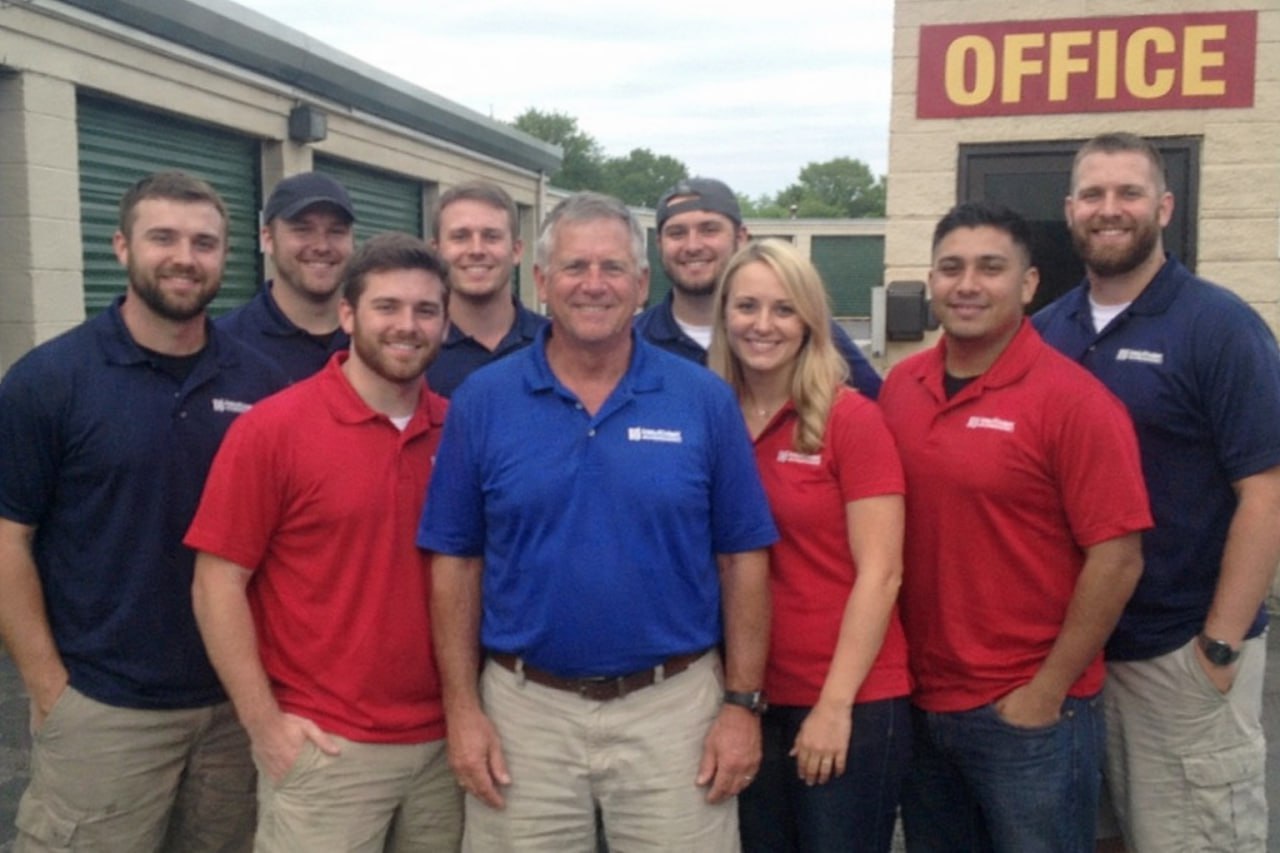
Most people who call us have never dealt with wall and drywall water damage before. We walk you through it on the phone, then send a local crew with the right equipment.
Think of drywall as a wick. When water reaches the bottom of a wall, the gypsum and paper draw it upward, often a foot or more above the level the water ever reached on the floor. From the room, the surface may seem dry and sound even though the hidden face and the insulation are saturated. That is why we check walls with a moisture meter instead of trusting how they look.
Plenty of walls that get wet can stay. When the water was clean and the drywall remains firm, drying it where it stands is often possible, at times by pulling the baseboard and pushing air into the cavity through small holes. Walls that are mushy, falling apart, moldy or contaminated get a flood cut instead, where our crew cuts straight across above the damage and takes out whatever sits under that line.
On an exterior wall, water can soak the sheathing behind the insulation. It gets a moisture reading prior to closing, since it holds dampness a long time.
Water pools at the same height as most receptacles and cable runs. Leave the outlets on a damp wall alone until someone has checked the circuit.
Batts of fiberglass absorb water and keep it pressed to the framing. Drying from inside the room is not enough when the insulation is soaked.
It slips beneath the bottom plate and reaches the closet or room on the other side. Every wall involved is tested on its two faces, and so is the adjacent flooring.
Every wall is checked with a thermal camera and moisture meter, and we mark the height and reach of the water, covering the other face and the rooms next door.
Our call on each section, dry it or take it out, depends on water category, exposure time and the condition of the panel, and we explain it in plain terms.
For walls being saved, baseboards come off and air is directed into the cavity. Walls that cannot be kept get a flood cut along a level line, with the wet insulation pulled.
Drying typically takes 3 to 5 days of air movement and dehumidification before the framing and surviving drywall meter dry. Then we insulate, hang and finish new drywall, reinstall trim and paint.
The bottom edge of the drywall takes in water from the floor and it begins moving up. Both the baseboard and the bottom plate start absorbing water.
You may see blistered paint and swollen trim as the damp area moves up the wall. Inside the cavity, the paper face becomes a place mold can begin.
The gypsum core turns soft and its paper starts to separate. A musty odor grows stronger while the batts settle and mold covers more of the unseen face.
Mold and the start of decay show up on framing that has been wet the whole time. A far larger section of wall needs tearing out and rebuilding.
We save what can be dried properly and remove only what cannot. Moisture readings make that call, not guesswork.
Call (217) 375-5459| Material | Can usually be saved when | Has to be replaced when |
|---|---|---|
| Wall studs | Nearly all framing, because sound wood dries in open air | Only where rot or heavy mold has damaged the wood |
| Drywall | Panels that stay hard and true after a short clean water event | Gray or black water contact, mold, swelling or loss of firmness |
| Plaster walls | Plaster that stays hard and bonded once dry | Areas that turn soft, powdery or separate from the lath |
| Wall insulation | Closed cell foam that does not absorb water | Fiberglass and cellulose that got wet, because they slump and hold moisture |
| Outlets and switches | Receptacles the water never reached, confirmed by an electrical check | Outlets, switches and boxes that got wet inside |
Have a different question? Call us and we will answer it over the phone.
Call (217) 375-5459Take action now and prevent costly damage. Salinas Restoration is ready to help.
Call (217) 375-5459 Now